Simple routines, daily habits, and practical productivity ideas for everyday life.

  • I Tried Living More Intentionally for 7 Days — Here’s What Actually Changed

    For a while, I felt like my days were happening on autopilot. I was getting things done, but I was not always choosing how I spent my time. I checked my phone without thinking. I said yes to things too quickly. I started tasks without deciding what mattered most. Some days ended with the strange feeling that I had been busy all day without really paying attention to what I was doing.

    That was when I decided to try a small experiment. For 7 days, I tried living more intentionally. Not in a dramatic way. I did not change my entire life, create a perfect routine, or try to become a completely different person. I just added a few small pauses into the day so I could make more deliberate choices.

    Here’s what actually changed. (more…)

  • Time Management Techniques That Actually Work for Busy People

    For a long time, I kept looking for better productivity systems. I tried detailed schedules, long to-do lists, time-blocking templates, priority methods, and apps that promised to organize everything. Some of them sounded great in theory.

    But most of them fell apart once real life showed up. A message came in. A meeting moved. Something urgent interrupted the plan. A task took longer than expected. By the end of the day, the system looked good on paper, but the actual day felt messy.

    Eventually, I realized I did not need a perfect time management system. I needed a few simple habits that still worked on busy, imperfect days. These are the time management techniques that helped most.

    Busy professional demonstrating effective time management techniques at organized workspace

    (more…)

  • I Tried Saying No Earlier for One Week — Here’s What Helped


    Professional woman setting healthy boundaries with confident stop gesture at workplace

    For a long time, I waited too long to say no. I would agree to something quickly, then later realize my week was already too full. Sometimes the request was small. Sometimes it was something I technically could do, but only by squeezing it into a day that already had enough in it. The problem was not that I never said no.The problem was that I usually said no too late.

    By the time I finally pushed back, I had already spent time thinking about it, rearranging things, or trying to make it work. So I tried a simple experiment for one week: I practiced saying no earlier. Not harshly. Not automatically. Not to everything. I just tried to pause before agreeing and give clearer answers before my schedule became too crowded.

    Here’s what helped. (more…)

  • 30 Small Reset Ideas for Busy Days

    Some days do not need a complete routine overhaul.They just need a small reset.

    For a while, I thought I needed bigger changes whenever a day felt scattered: a better schedule, a cleaner workspace, a new planning system, or a more structured routine.But most of the time, I did not need to restart the whole day. I needed one small action that helped me pause, clear the next step, and make the day easier to continue.

    That is what this list is for. These are simple reset ideas for busy days — small actions you can use between tasks, after work, during a messy morning, or anytime the day feels like it needs a clearer next step.

    Peaceful meditation practice in natural lighting for mental wellness and self care ideas

    (more…)

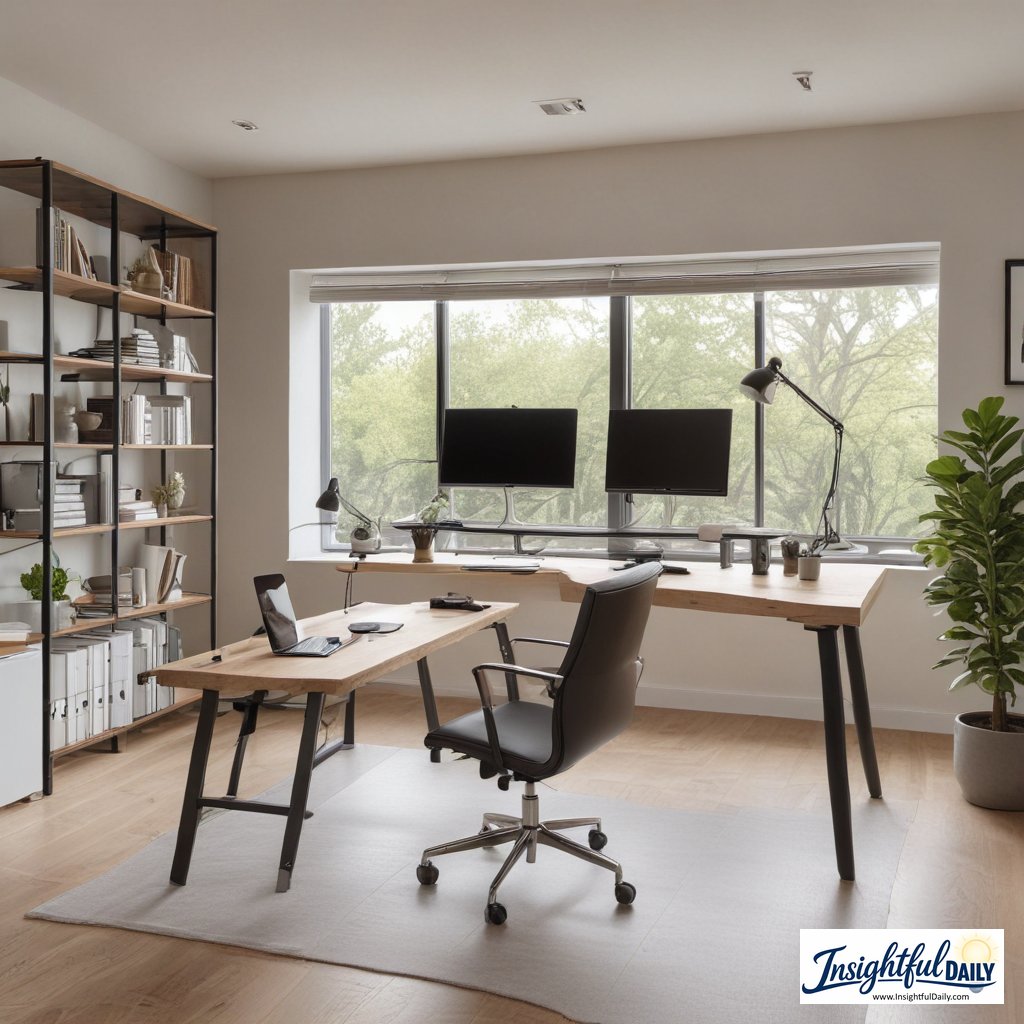
  • My Work-From-Home Setup Reset: A Practical Checklist for Small Spaces

    Working from home became easier for me once I stopped trying to create the perfect home office.

    For a long time, I thought the problem was the space itself. I did not have a separate office, a perfect desk, or a setup that looked like the ones in photos. Some days I worked from a small desk. Other days I used the kitchen table, a bedroom corner, or whatever surface was available. But after paying closer attention, I realized the bigger issue was not that my workspace was small.

    The issue was that it had no clear routine. The desk collected clutter. My laptop moved around. Chargers disappeared. Work started before the space felt ready. And at the end of the day, everything stayed open, which made the next morning feel messy before it even started. So I tried a simple work-from-home setup reset. Not a full office makeover. Not a shopping list. Just a practical way to make the space easier to start, use, and reset.

    Here is what helped.

    Professional home office setup with ergonomic furniture and optimal lighting for remote work productivity (more…)

  • I Tried 15 Morning Routine Ideas — Here’s What Actually Helped

    I used to think a better morning routine meant adding more habits. Wake up earlier. Drink water. Stretch. Journal. Read. Exercise. Avoid the phone. Plan the day. Make breakfast. Go outside. Clean something. Meditate. Review goals.

    The list kept growing. But the longer my morning routine became, the less likely I was to actually do it. So instead of trying to build the perfect routine, I tested 15 common morning routine ideas and paid attention to what actually made the morning feel easier.

    Not more impressive.

    Not more complicated.

    Just easier to start.

    Here’s what helped, what did not, and what I would actually keep.

    (more…)

  • I Tried a 10-Step Declutter Reset Over One Weekend

    I had been putting off decluttering because the whole project felt too big. Every time I looked around, I saw something that needed attention: drawers that were too full, surfaces that collected random items, clothes I did not wear, papers I had not sorted, and small piles that kept moving from one place to another.

    The problem was not that my home needed a dramatic makeover. The problem was that too many small things no longer had a clear place. So I tried a simple weekend experiment: a 10-step declutter reset. Not a full minimalist lifestyle change. Not a perfect home organization system. Just one weekend of clearing the obvious clutter, making a few decisions, and resetting the spaces I used most. (more…)

  • Small Talk Scripts I Used for Work Events and Everyday Conversations

    Small talk used to feel harder than it needed to.

    The problem was not that I had nothing to say. The problem was that I often did not know how to start, how to keep the conversation going, or how to leave without making it awkward. This came up most often in normal everyday situations: work events, quick conversations before meetings, neighborhood interactions, appointments, errands, or moments when I was waiting with someone I did not know well.

    So instead of trying to become a naturally outgoing person overnight, I tried something more practical.I wrote down a few simple small talk scripts and tested which ones actually felt usable. Not clever lines. Not forced networking tricks. Just basic conversation starters, follow-up questions, and exit phrases that made everyday conversations easier to handle.

    Here is what helped. (more…)

  • How to Pack Light: Carry-On Only Packing List for 2 Weeks

    Packing for two weeks in a carry-on sounds harder than it needs to be.

    For me, the hardest part was not the suitcase size. It was deciding what actually needed to come with me — and what I was packing “just in case.” When I packed without a plan, I brought too many pieces that did not work together, extra items I never used, and outfits that only made sense for one specific situation. The bag filled quickly, but the trip did not feel any easier.

    So I started using a simpler packing system. The goal was not to pack perfectly or prove that everyone should travel with less. The goal was to make packing easier to repeat: fewer decisions, more mix-and-match outfits, and a carry-on checklist that worked for a normal two-week trip.

    This guide walks through the carry-on packing list I would use for two weeks, including clothes, toiletries, travel basics, and a simple outfit formula to make the suitcase easier to plan. (more…)

  • How to Use a Vision Board to Organize Your Goals Visually

    A vision board can be a simple way to organize goals visually. Instead of keeping ideas scattered in your head, you collect images, words, and reminders that represent what you want to focus on next. It does not need to be mystical or complicated. The useful part is that it helps you clarify priorities and keep them visible.

    Person creating vision board ideas with magazines and craft supplies on wooden desk

    (more…)