
Packing for two weeks in a carry-on sounds harder than it needs to be.
For me, the hardest part was not the suitcase size. It was deciding what actually needed to come with me — and what I was packing “just in case.” When I packed without a plan, I brought too many pieces that did not work together, extra items I never used, and outfits that only made sense for one specific situation. The bag filled quickly, but the trip did not feel any easier.
So I started using a simpler packing system. The goal was not to pack perfectly or prove that everyone should travel with less. The goal was to make packing easier to repeat: fewer decisions, more mix-and-match outfits, and a carry-on checklist that worked for a normal two-week trip.
This guide walks through the carry-on packing list I would use for two weeks, including clothes, toiletries, travel basics, and a simple outfit formula to make the suitcase easier to plan.
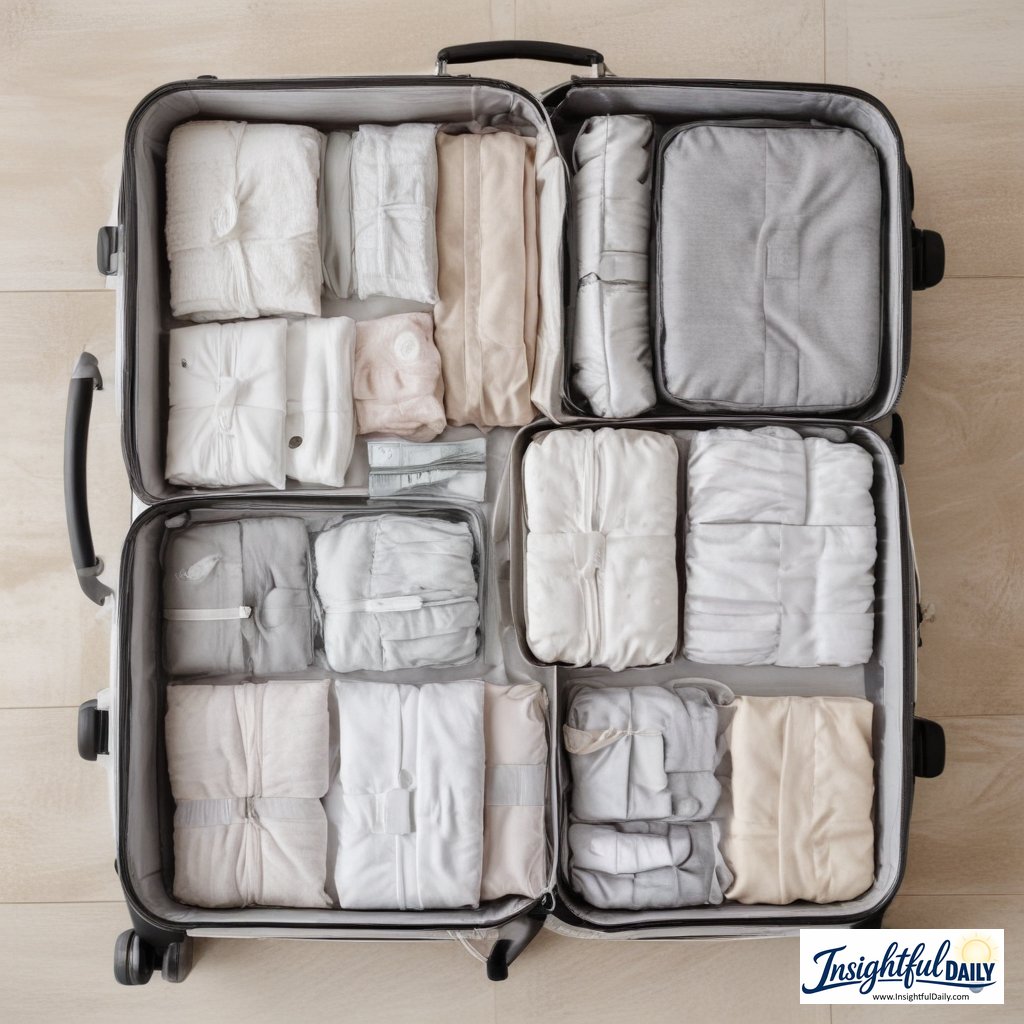
Why I Use a Carry-On Packing Checklist
A checklist helped because it kept me from making the same packing decisions over and over. Before using a checklist, I usually packed in one of two ways. Sometimes I packed too much because I worried about every possible situation. Other times, I packed too quickly and forgot basic items. The checklist gave the process more structure.
Instead of asking, “What might I possibly need?” I could ask:
- What will I actually wear?
- Which pieces can be repeated?
- Which items work together?
- What can be washed or reworn?
- What is only being packed because I am worried?
- What would be easy to buy later if I truly needed it?
That made packing feel less scattered. The goal was not to bring the fewest items possible. The goal was to bring a small, useful set of items that made the trip easier to manage.
Essential Foundation for How to Pack Light Successfully
The foundation of learning how to pack light begins with selecting the right luggage that maximizes space while meeting airline restrictions. Your carry-on bag should measure no more than 22 x 14 x 9 inches to comply with most international airline standards, though budget carriers may have stricter requirements. According to TSA guidelines, investing in a high-quality hard-shell or soft-sided suitcase with multiple compartments and compression zippers can increase packing capacity by up to 30%. Look for bags weighing no more than 5-7 pounds when empty, leaving you 15-20 pounds for actual belongings while maintaining the principles of how to pack light.
The psychology of how to pack light requires shifting from a scarcity mindset to an abundance mindset. Instead of packing for every possible scenario, focus on versatile items that can adapt to multiple situations. Professional travelers who have mastered how to pack light report that they typically use only 60-70% of what they bring, even on well-planned trips. This suggests that most travelers can reduce their packing by at least 30% without sacrificing comfort or preparedness. The key is selecting items that serve dual or triple purposes while maintaining quality and comfort standards, which is fundamental to understanding how to pack light effectively.
Climate research becomes crucial when planning your carry on packing list for extended travel and learning how to pack light for various conditions. Study weather patterns for your destinations during your travel dates, but prepare for temperature variations of 10-15 degrees from forecasts. This preparation allows you to pack strategically for layering rather than bringing separate outfits for each potential weather scenario. Understanding that most indoor spaces worldwide maintain temperatures between 68-72°F (20-22°C) helps you plan a base wardrobe that works regardless of outdoor conditions, which is essential knowledge for anyone learning how to pack light.
Strategic Clothing Selection for Minimalist Packing
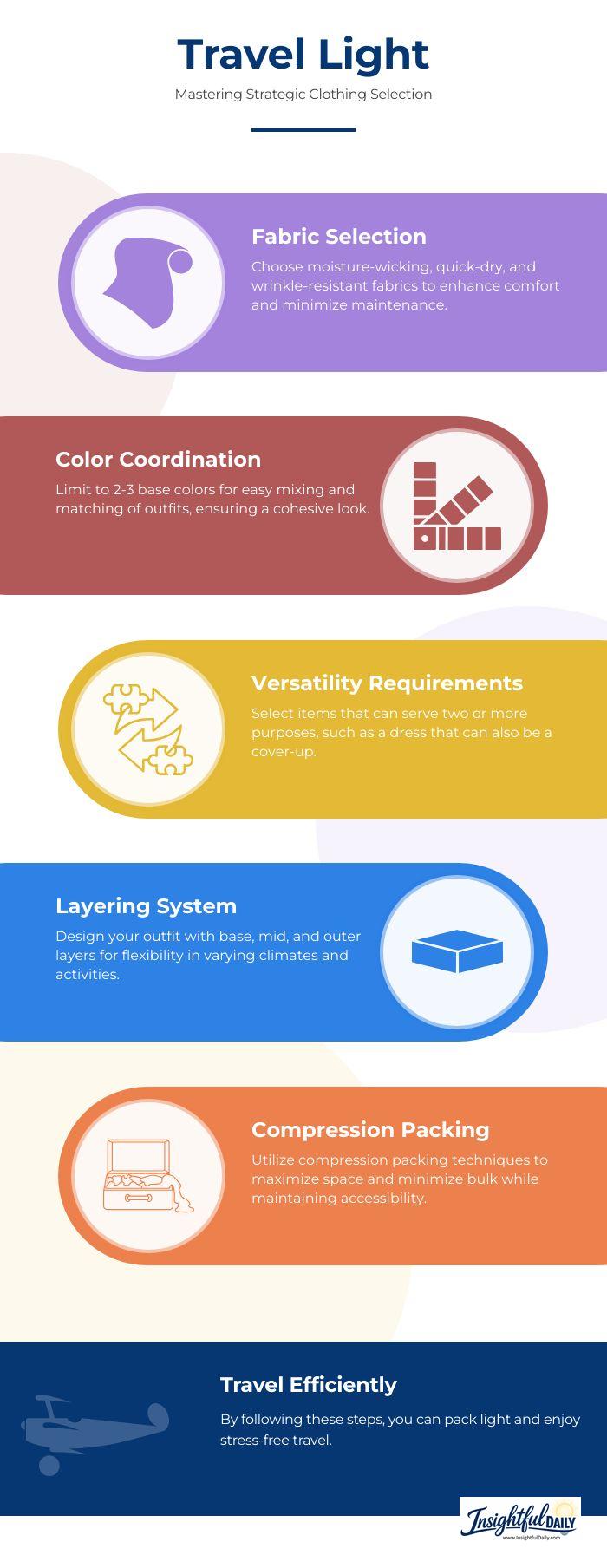
Mastering minimalist packing and how to pack light requires a scientific approach to clothing selection based on fabric technology, versatility, and care requirements. Modern travel-specific fabrics like merino wool, synthetic blends, and treated cotton offer superior performance compared to traditional materials. Merino wool naturally resists odors and can be worn multiple times between washes, making it ideal for extended travel when you need to know how to pack light. A single merino wool shirt can serve as workout wear, casual daywear, and even semi-formal attire depending on how it’s styled and layered, exemplifying the versatility needed when learning how to pack light.
The capsule wardrobe concept forms the backbone of effective light packing strategies and is essential for anyone wanting to understand how to pack light. Build your travel wardrobe around 2-3 core colors that mix and match effortlessly, allowing every piece to work with every other piece. For a two-week trip, aim for 7-9 tops, 2-3 bottoms, one versatile jacket or blazer, and undergarments for 4-5 days with plans to do laundry weekly. This formula provides sufficient variety while maintaining the ability to fit everything in a standard carry-on bag. Each clothing item should serve at least two purposes – for example, yoga pants that work for exercise and as comfortable travel pants, or a dress shirt that transitions from business meetings to dinner out, which demonstrates the versatility required when you learn how to pack light.
Layering becomes your most powerful tool for adapting to different climates and occasions without overpacking, and it’s crucial for mastering how to pack light. A lightweight base layer, insulating mid-layer, and weather-resistant outer layer can handle temperature ranges from 40-80°F (4-27°C) when properly combined. Choose items that compress well when not being worn – down jackets, lightweight sweaters, and packable rain gear can reduce to fraction of their worn size. Avoid cotton denim and heavy fabrics that take up disproportionate space and weight in your luggage while offering limited versatility, as these items contradict the principles of how to pack light effectively.
Complete Carry On Packing List for Two Weeks
A comprehensive carry on packing list for two weeks must balance completeness with space efficiency, ensuring you have everything needed while staying within weight and size restrictions and following how to pack light principles. Your clothing foundation should include seven to eight versatile tops that can mix and match – consider three t-shirts or tank tops in neutral colors, two button-down shirts or blouses, one lightweight sweater or cardigan, and one dressier top for special occasions. These pieces should coordinate with your chosen color palette and work for both day and evening activities, demonstrating the strategic thinking required when you learn how to pack light.
Bottom wear requires careful selection since pants and skirts typically take up the most space in your luggage, making them critical considerations when learning how to pack light. Pack two pairs of comfortable pants or jeans, one pair of dress pants or a skirt, one pair of shorts or a casual skirt, and exercise clothes if you plan to work out. Choose fabrics that resist wrinkles and can be worn multiple times between washes. For footwear, limit yourself to three pairs maximum: comfortable walking shoes, one pair of dress shoes or sandals, and flip-flops or shower shoes. Wear your heaviest shoes while traveling to save luggage space, which is a fundamental strategy for how to pack light effectively.
Personal care items and electronics require strategic downsizing without sacrificing essential needs, and this area offers significant opportunities for those learning how to pack light. Create a toiletry kit using travel-sized containers and solid alternatives where possible – solid shampoo bars, toothpaste tablets, and concentrated detergent sheets significantly reduce liquid restrictions while providing full-size functionality. Your electronics should include your smartphone, chargers, a universal power adapter, and perhaps a lightweight laptop or tablet if needed for work. Pack all electronics in easily accessible compartments for security screening efficiency, following TSA guidelines for electronic devices.
| Category | Item | Quantity | Weight (oz) |
|---|---|---|---|
| Clothing | T-shirts/Tank tops | 3 | 6 |
| Button-down shirts | 2 | 8 | |
| Pants/Jeans | 2 | 24 | |
| Dress pants/skirt | 1 | 8 | |
| Shorts | 1 | 4 | |
| Undergarments (5 days) | 5 sets | 5 | |
| Socks | 6 pairs | 6 | |
| Lightweight jacket | 1 | 12 | |
| Footwear | Walking shoes | 1 | Wear |
| Dress shoes/sandals | 1 | 16 | |
| Flip-flops | 1 | 8 | |
| Personal Care | Toiletry kit (liquids) | 1 | 12 |
| Medications | As needed | 2 | |
| Laundry supplies | 1 pack | 1 | |
| Quick-dry towel | 1 | 8 |
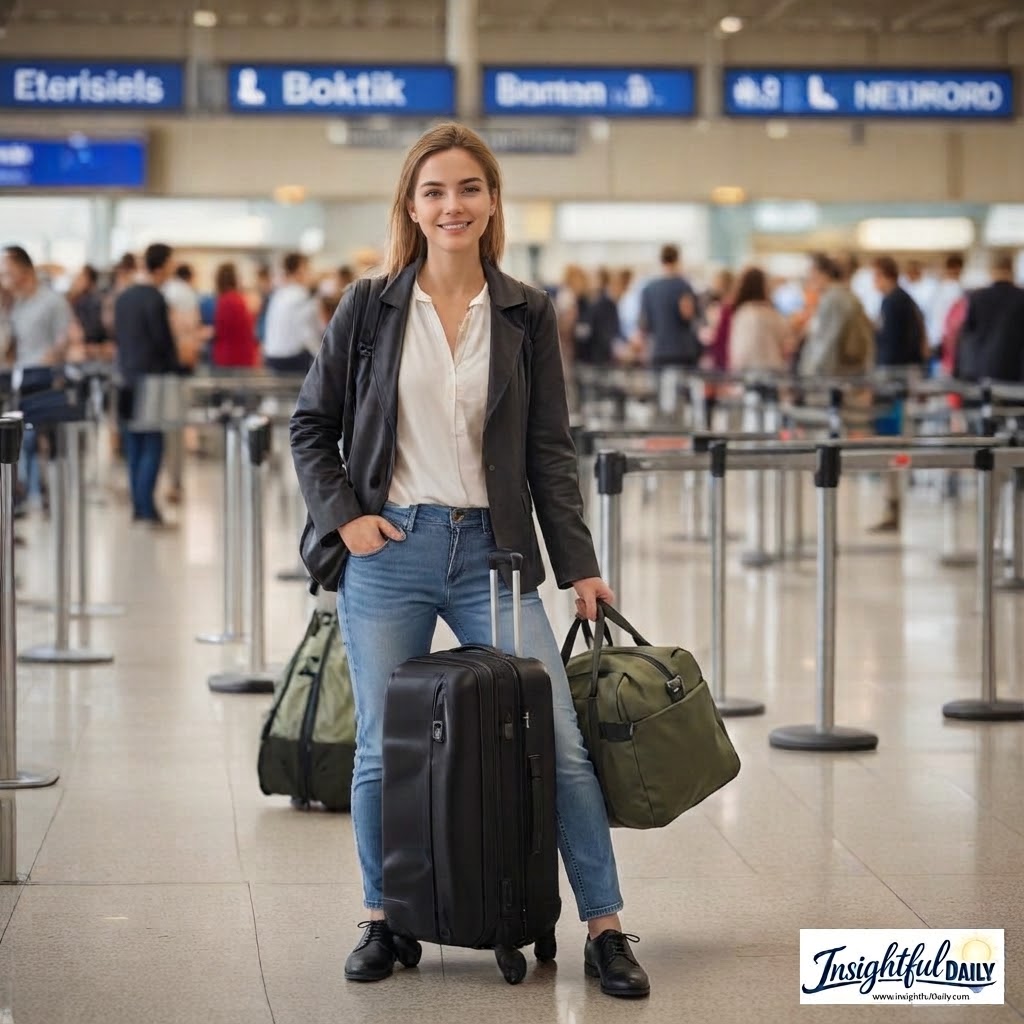
Advanced Travel Packing Tips for Maximum Efficiency
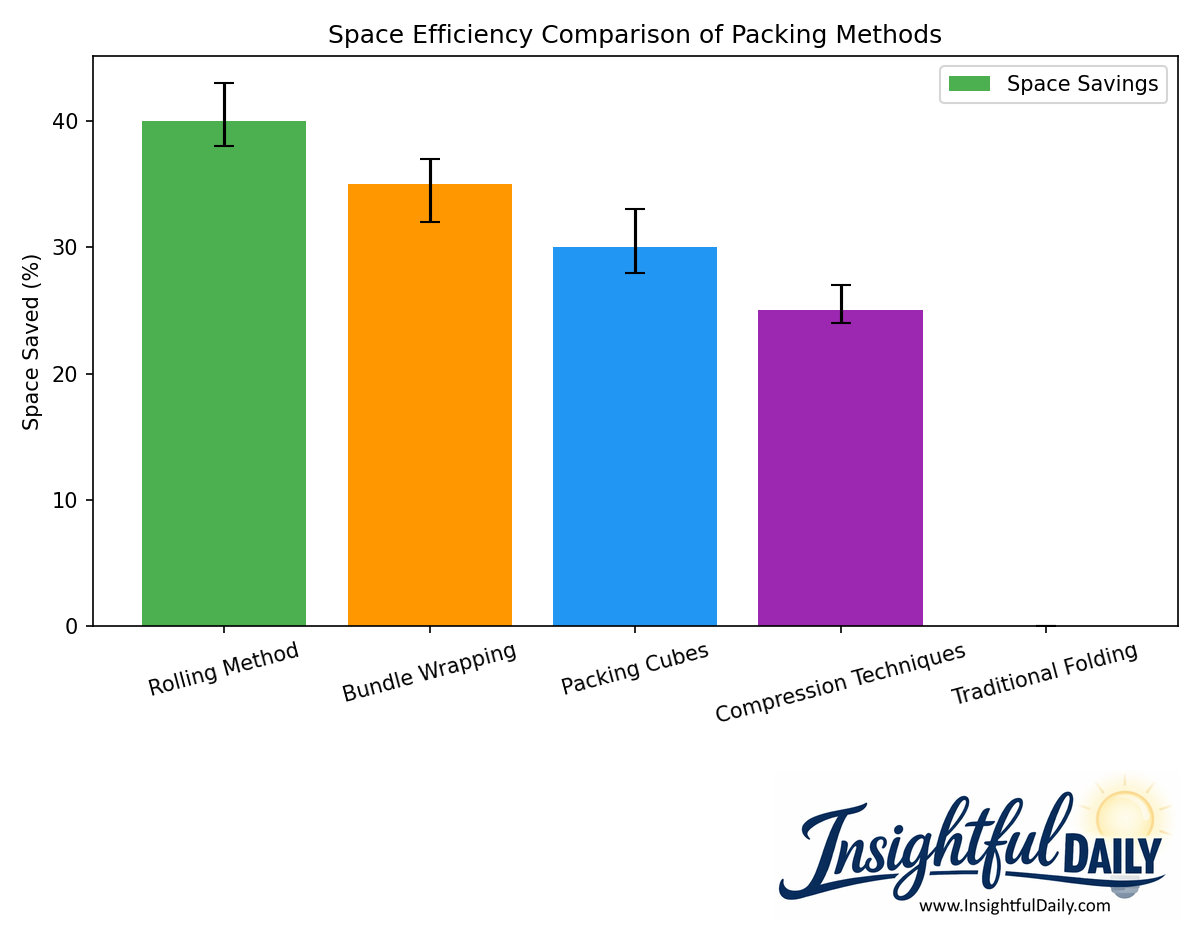
Professional travel packing tips focus on maximizing every cubic inch of your carry-on through proven techniques and organization systems, which are essential skills for anyone serious about learning how to pack light. The rolling method remains superior to folding for most items, reducing wrinkles while creating up to 40% more space in your luggage. However, the most effective approach combines rolling for t-shirts and casual wear with flat folding for dress shirts and blazers, and bundle wrapping for delicate items. Packing cubes revolutionize organization by creating designated spaces for different item categories while enabling compression that can save 20-30% additional space, making them indispensable tools for mastering how to pack light.
The strategic placement of heavy items affects both balance and space utilization in your luggage and is crucial for effective implementation of how to pack light strategies. Position shoes along the edges of your suitcase where the hard shell provides structure, and stuff small items like socks and underwear inside shoes to maximize space efficiency. Heavy items like electronics and toiletries should go closest to the wheel side of your luggage for better maneuverability. Create a “landing strip” of easily accessible items near the top of your bag – essentials you might need to grab quickly during travel or shortly after arrival, which demonstrates the thoughtful organization required when you learn how to pack light.
Compression techniques extend beyond packing cubes to include vacuum-sealed bags for bulky items like jackets or sweaters, offering additional strategies for those committed to learning how to pack light. However, be cautious with over-compression as it can cause permanent wrinkles in certain fabrics and make it difficult to repack during your trip. A middle-ground approach involves partial compression that reduces bulk while maintaining the ability to easily access and repack items. Consider the “one in, one out” rule for souvenirs and new purchases – if you buy something during your trip, identify an item to leave behind or ship home separately, which maintains the discipline required for how to pack light throughout your journey.
Managing Laundry and Clothing Rotation Strategies
Effective laundry management transforms how to pack light from a limiting constraint into a liberating strategy that actually expands your wardrobe options during extended travel. The key principle involves packing for one week of wear regardless of trip length, then implementing strategic washing routines that keep you fresh and well-dressed throughout your journey. Modern quick-dry fabrics and concentrated detergents make it possible to wash clothes in hotel sinks and have them ready to wear within hours, eliminating the need for extensive backup clothing and supporting the core philosophy of how to pack light effectively.
Establish a laundry routine that aligns with your travel schedule rather than waiting until you run out of clean clothes, which is essential for maintaining the benefits of learning how to pack light. Plan to do laundry every 4-5 days, which allows for proper drying time and prevents the stress of wearing damp clothes or being left without options. Many accommodations offer laundry facilities, but sink washing with concentrated detergent sheets or travel-sized liquid detergent provides flexibility and cost savings. Focus on washing undergarments and base layers most frequently, while outer layers like pants, skirts, and jackets can often be worn multiple times between washings, demonstrating the practical application of how to pack light principles.
Develop a rotation system that ensures even wear across all your clothing items while maintaining variety in your daily outfits, which supports the long-term success of how to pack light strategies. Create mental outfit combinations during your initial packing so you know exactly how pieces work together, preventing the travel anxiety of feeling like you have “nothing to wear” despite having a complete wardrobe. This systematic approach to clothing rotation also helps identify which items aren’t working well for your travel style, informing better packing decisions for future trips and refining your understanding of how to pack light for different types of travel.
Essential Toiletries and Personal Care Items
Streamlining toiletries and personal care items requires balancing TSA liquid restrictions with maintaining your normal self-care routine during extended travel, and this area offers significant weight savings for those learning how to pack light. Investing in high-quality travel-sized containers that comply with the 3.4-ounce (100ml) limit allows you to bring familiar products without sacrificing precious luggage space or weight allowance. Solid alternatives like shampoo bars, soap bars, and solid deodorants eliminate liquid restrictions entirely while often lasting longer than their liquid counterparts and taking up minimal space in your toiletry bag.
Multi-purpose products prove invaluable for light packers, such as moisturizers with SPF that serve dual functions, or castile soap that can work as body wash, shampoo, and even laundry detergent in a pinch. Many experienced travelers also embrace the strategy of purchasing certain items at their destination—particularly bulky or heavy products like sunscreen, lotion, or hair styling products—which can then be left behind or discarded before the return journey. Additionally, most hotels and accommodations provide basic amenities like shampoo, conditioner, and body wash, so seasoned light packers often skip these entirely unless they have specific skin sensitivities or strong product preferences. Creating a minimal toiletry kit with only true essentials—toothbrush, toothpaste, deodorant, and perhaps a few specialized items unique to your needs—can reduce your toiletry bag weight by half or more while still ensuring you maintain comfort and hygiene throughout your travels.