Simple routines, daily habits, and practical productivity ideas for everyday life.

  • Why My Evenings Made the Next Day Feel Harder — Simple Routine Fixes That Helped

    For a while, my evenings were not really helping me reset.

    The workday would end, but my mind stayed busy. I would check my phone, open another video, answer one more message, or keep thinking about unfinished tasks. By the time the evening was over, I often felt like I had not really created any separation between the day I had just finished and the next one I needed to start.

    At first, I thought I just needed more discipline. But after paying closer attention, I noticed the issue was usually my routine: inconsistent wake times, too much screen time at night, caffeine later than I realized, and evenings that never really slowed down.

    The fixes that helped were simple. I did not need a perfect nighttime routine. I needed a clearer end to the day.


    Person feeling tired all day awake at night — exhausted at desk during daytime hours, struggling with disrupted sleep schedule and circadian rhythm problems

    (more…)

  • The 30-Minute Work-Life Balance Audit: A Weekly Reset Template You Can Reuse

    Woman conducting work life balance audit at organized workspace with weekly planning template

    For a long time, I thought work-life balance meant having a perfectly organized schedule. But that was not really the problem.

    The problem was that my weeks kept filling up without me noticing. A few extra tasks here, a few late messages there, one skipped break, one postponed errand, one evening that turned into “just finishing something quickly.” None of those things seemed like a big deal on their own.

    But by the end of the week, I often felt like work had taken more space than I meant to give it. So I started doing a simple weekly reset. Not a complicated planning session. Not a full life overhaul. Just a 30-minute check-in to look at where the week felt off and what needed to change before the next one started.

    This is the template I used. (more…)

  • The 48-Hour Screen-Time Reset: Phone Settings Checklist + What to Do Instead

    For a while, I noticed that my phone was filling more of my free time than I wanted. It was not one dramatic problem. It was the small moments: checking it during breaks, opening apps after work, scrolling while waiting for something, and reaching for it whenever there was a quiet pause.

    By the end of the day, I often felt like I had not really rested. I had just moved from one screen to another. So I tried a simple 48-hour screen-time reset. Not a full technology ban. Not a strict digital detox. Just two days of making my phone less automatic and giving myself a few better things to do instead.

    Here’s the reset I used. (more…)

  • I Tried the One-Bag Declutter Challenge for 60 Minutes — Here’s What Helped

    I had one room that kept collecting random clutter. It was not a disaster, but it always looked unfinished. There were papers I meant to sort, items that belonged in other rooms, a few things I no longer used, and small piles that somehow kept moving from one surface to another.

    I kept telling myself I would organize the whole room properly when I had more time. But that never happened. So I tried something smaller: the one-bag declutter challenge. The idea was simple. I gave myself 60 minutes, picked one room, and filled one bag with things that needed to leave the space. Not a full home reset. Not a perfect organization system. Just one bag, one room, and one hour.

    Here’s what happened.

    Woman with decluttering bag ready to start one hour declutter challenge room organization

    (more…)

  • How to Say No Politely: 25 Boundary Scripts for Work, Family, and Friends

    Saying no is easier when you already have the words ready. For a long time, I made it harder than it needed to be. I would get a request, want to answer quickly, and then either say yes too fast or spend too much time trying to write the perfect reply.

    The problem was not always the decision. Sometimes the problem was the wording. I needed simple phrases I could use in normal situations: work requests, family plans, invitations, favors, group projects, last-minute asks, and things I did not realistically have time to take on. This list is meant to be practical. Not harsh. Not dramatic. Not overly explained. Just clear, polite ways to say no when something does not fit your time, schedule, or priorities. (more…)

  • Build-Your-Own Morning Routine: Pick 5 Habits That Fit Your Schedule (Templates Included)

    A good morning routine does not need to be complicated.

    For a long time, I thought I needed to build the “perfect” morning routine: wake up early, exercise, journal, read, drink water, avoid my phone, plan the day, eat a healthy breakfast, and somehow start work feeling completely calm.The problem was that the routine looked good on paper but did not fit real life.

    Some mornings were busy. Some mornings started late. Some mornings I had less energy than expected. And the more complicated the routine became, the easier it was to skip the whole thing. What worked better was building a smaller morning routine around a few habits that actually fit the day.

    Instead of trying to copy someone else’s routine, I started choosing five simple habits that made mornings feel easier to manage.

    This guide will help you do the same.

    Person enjoying peaceful morning routine ideas with coffee and journaling (more…)

  • A Budget You’ll Actually Use: 3 Real Examples + a Fill-In Monthly Template

    Learning how to create a budget that actually works is not about tracking every dollar perfectly. For a long time, budgeting felt harder than it needed to because most systems were too detailed to keep using during busy weeks. What worked better was a simple monthly plan that showed where money was going, left room for real life, and made it easier to make decisions without constantly starting over.

    Person learning how to create a budget at kitchen table with calculator and organized bills

    (more…)

  • 5 Work-Life Boundaries That Made My Week Feel Less Constant


    Woman implementing work life balance tips at organized home office

    For a long time, I thought work-life balance meant creating a perfect schedule. But that was not really the issue.The bigger problem was that work kept leaking into the rest of the day. I would check one more message, think about one unfinished task, answer one quick request, or leave my laptop open because I might come back to something later.

    None of those things seemed like a big deal on their own. But together, they made work feel constant. So instead of trying to redesign my whole schedule, I tested a few simple boundaries. Not dramatic rules. Not a full productivity system. Just small habits that made it easier to know when work started, when it ended, and what could wait.

    Here are the five boundaries that helped most.

    (more…)

  • Ergonomic Home Office Setup Under $100: Checklist + Small-Space Layout Examples

    Creating a better home office setup does not have to mean buying expensive furniture or redesigning an entire room.

    For a long time, my work-from-home setup was whatever space happened to be available. Some days that meant the kitchen table. Other days it meant a small desk, a dining chair, or working from a corner that was never really designed for focused work. The problem was not that the setup was terrible. It was that small annoyances kept adding up. The screen felt too low. The chair did not feel quite right. The desk collected clutter. Cables were always in the way. And because the space was not set up clearly, starting work felt more scattered than it needed to. So I tried improving the setup without spending a lot.

    The goal was simple: make the workspace easier to use, easier to reset, and more comfortable for normal workdays — without turning it into a major project.

    Here is the practical checklist I used.

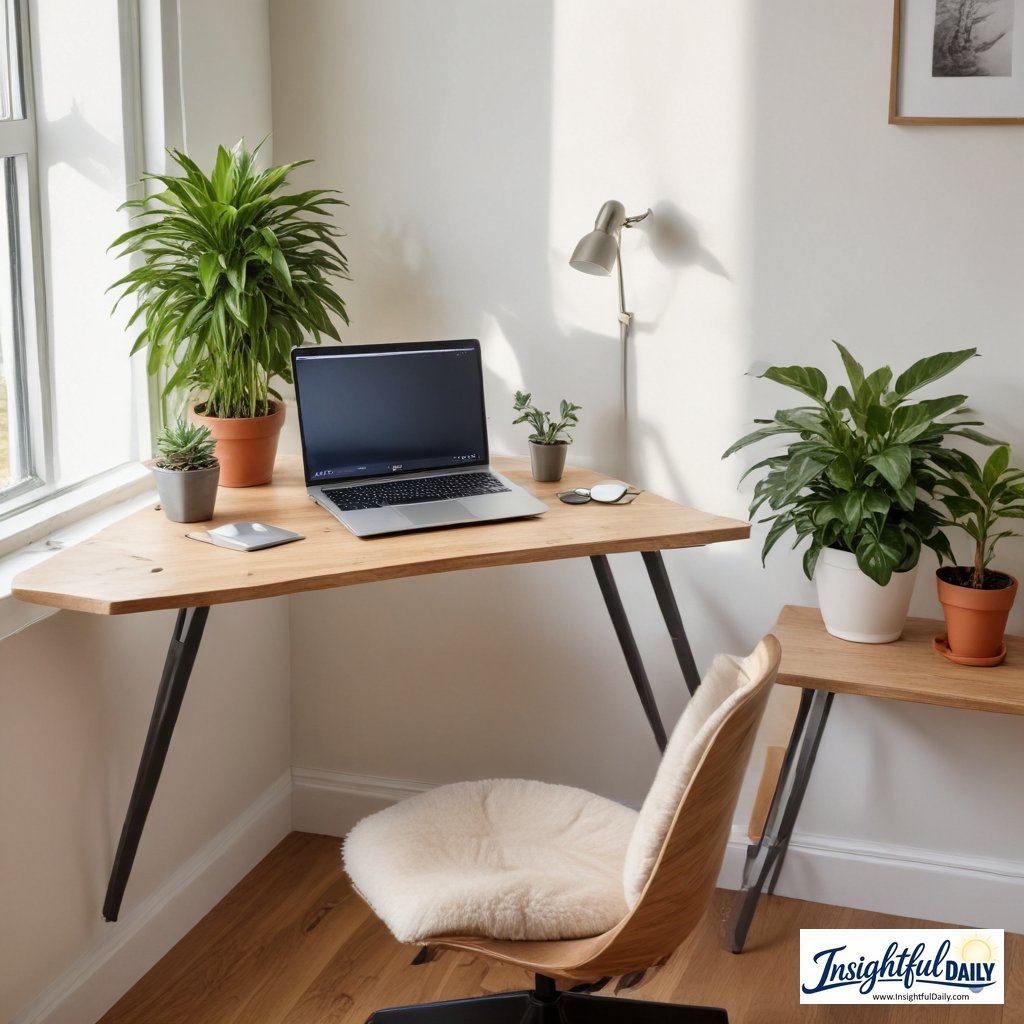
    Small budget home office setup in corner with ergonomic accessories (more…)

  • Capsule Wardrobe Builder: 33-Piece Checklist + Outfit Formula Spreadsheet

    Building a capsule wardrobe does not have to be about creating a perfect closet. For me, the bigger problem was simpler: getting dressed took more mental energy than it should have. I had plenty of clothes, but I still kept reaching for the same few pieces, changing outfits more than once, or feeling like nothing worked together.

    That made busy mornings feel harder. So instead of trying to overhaul my style, I tried building a smaller, more repeatable wardrobe around pieces that could be mixed and matched easily. The goal was not to dress perfectly every day. The goal was to make weekday outfit decisions faster and easier.

    This guide includes a 33-piece capsule wardrobe checklist, a simple outfit formula, and a planning spreadsheet you can use to build a closet that fits your actual routine.

    (more…)