
Building a capsule wardrobe does not have to be about creating a perfect closet. For me, the bigger problem was simpler: getting dressed took more mental energy than it should have. I had plenty of clothes, but I still kept reaching for the same few pieces, changing outfits more than once, or feeling like nothing worked together.
That made busy mornings feel harder. So instead of trying to overhaul my style, I tried building a smaller, more repeatable wardrobe around pieces that could be mixed and matched easily. The goal was not to dress perfectly every day. The goal was to make weekday outfit decisions faster and easier.
This guide includes a 33-piece capsule wardrobe checklist, a simple outfit formula, and a planning spreadsheet you can use to build a closet that fits your actual routine.

Why I Tried a Capsule Wardrobe
I did not want a closet that looked impressive. I wanted a closet that made normal mornings easier. Before trying this, my wardrobe had three problems:
- too many pieces that did not work together
- too many “maybe someday” items
- not enough easy outfit combinations
- too many small decisions before work, errands, or daily plans
A capsule wardrobe helped because it gave the closet a clearer structure. Instead of deciding from everything I owned, I could choose from a smaller group of pieces that already worked together.
Understanding the Perfect Capsule Wardrobe Checklist Framework
What appealed to me most about a capsule wardrobe wasn’t minimalism itself. It was the idea of making everyday decisions feel simpler. Instead of constantly buying new clothes or struggling to put outfits together, having a smaller collection of versatile pieces made getting dressed feel much less stressful and time-consuming. When you select pieces that complement each other in color, style, and function, you create exponential outfit possibilities. A well-curated 33-piece capsule wardrobe can generate over 100 different outfit combinations, making it far more efficient than a traditional wardrobe filled with impulse purchases that rarely coordinate together. Your capsule wardrobe checklist becomes the strategic blueprint that ensures every piece serves multiple purposes and integrates seamlessly with your existing collection.
The key to maximizing your capsule wardrobe’s potential is selecting pieces that serve multiple purposes and can transition seamlessly between different occasions. This means choosing a white button-down shirt that works equally well for business meetings, weekend brunches, and casual Friday outfits when styled differently. Each item in your capsule wardrobe checklist should be able to mix and match with at least five other pieces, ensuring maximum versatility and value. This strategic approach to wardrobe building eliminates the common problem of owning individual pieces that don’t coordinate with anything else in your closet.
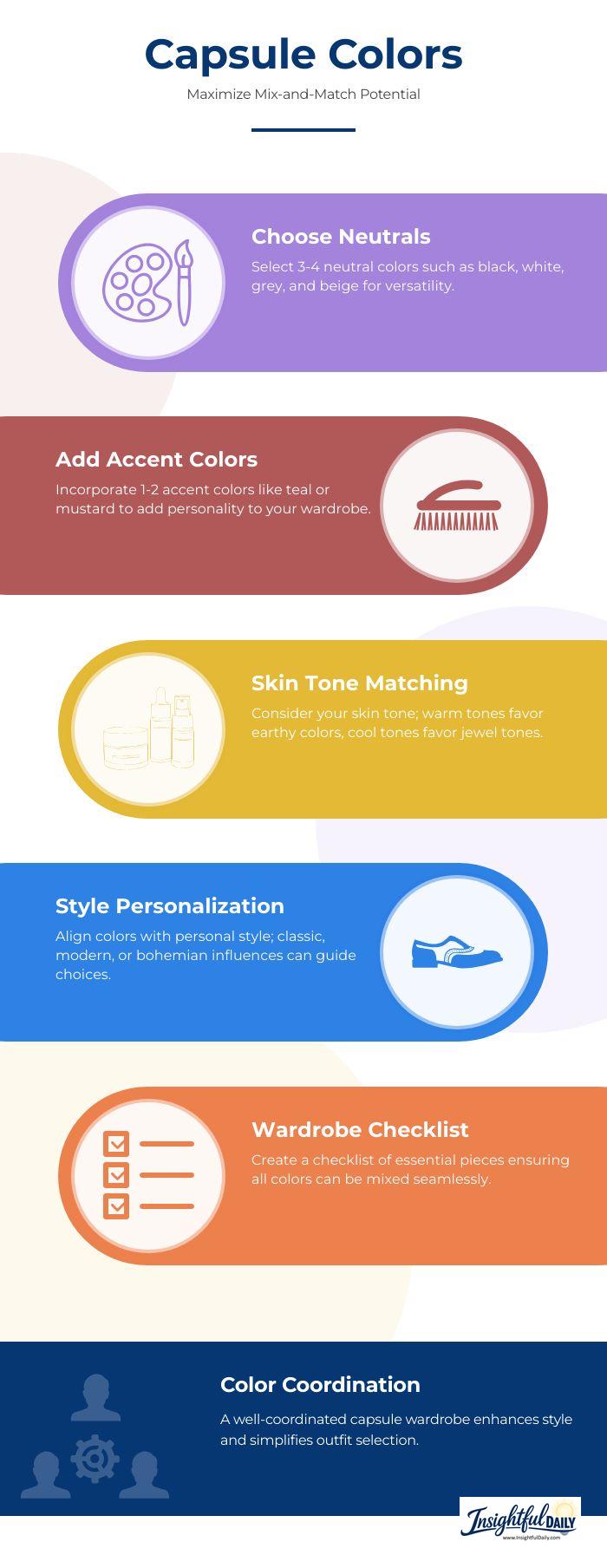
Color coordination forms the backbone of an effective minimalist wardrobe strategy and should be carefully documented in your capsule wardrobe checklist. By limiting your palette to three or four neutral colors plus one or two accent colors, you ensure that every piece can work harmoniously with others. This approach eliminates the frustration of owning beautiful individual pieces that don’t coordinate with anything else in your closet. The most successful capsule wardrobes typically feature a neutral base of black, white, gray, navy, or beige, enhanced by carefully chosen accent colors that reflect your personal style and complement your skin tone. Professional color analysis can help you identify the most flattering colors for your complexion, ensuring your capsule wardrobe checklist includes pieces that enhance your natural beauty.
The Complete 33-Piece Capsule Wardrobe Checklist Breakdown
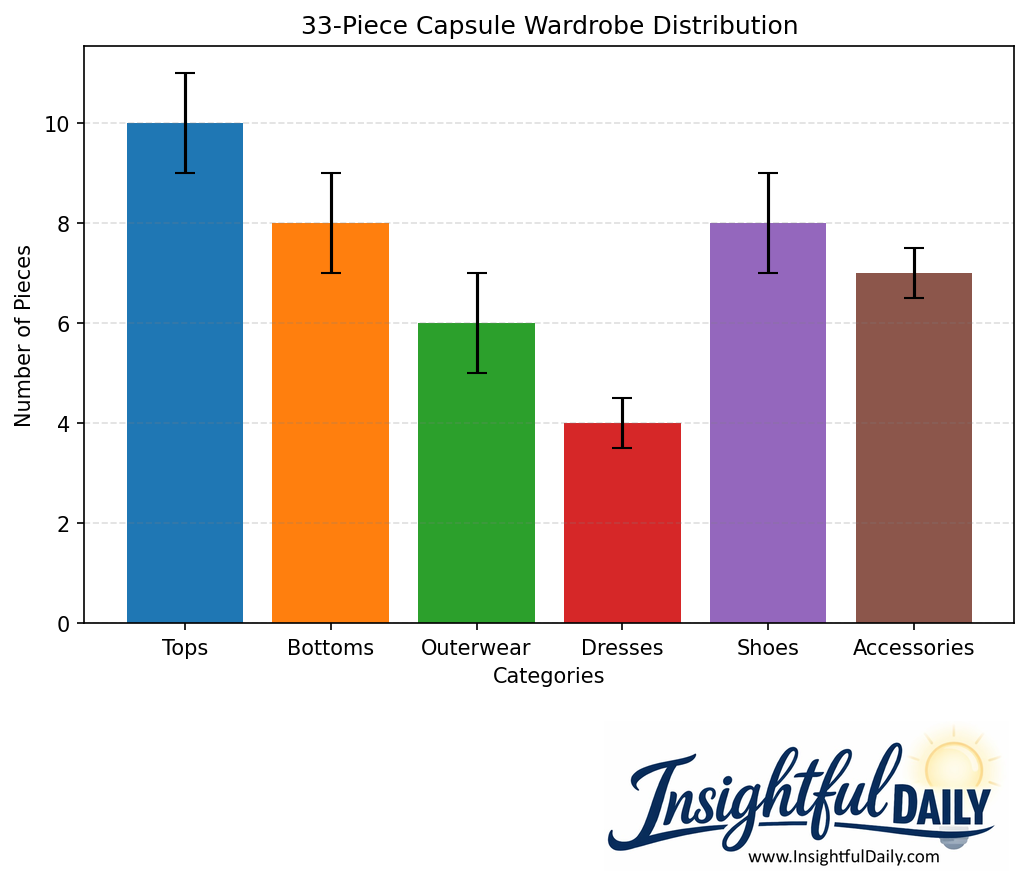
One thing I noticed quickly was that having fewer clothing options actually made daily routines easier. Instead of spending time deciding what to wear, most pieces already worked together without much effort. This carefully calculated distribution provides the optimal ratio of basics to statement pieces, ensuring you have appropriate options for every occasion while maintaining the simplicity that makes capsule wardrobes so effective. The 33-piece framework has been tested by fashion experts and minimalism advocates worldwide, proving to be the sweet spot between variety and simplicity. When properly implemented, this capsule wardrobe checklist eliminates decision fatigue while ensuring you always have appropriate attire for any situation.
The top category requires eight to ten carefully selected pieces that form the foundation of your daily outfits and should be prioritized in your capsule wardrobe checklist. This includes three to four basic tees in neutral colors, two button-down shirts (one white, one in your chosen accent color), two sweaters or cardigans for layering, and one to two blouses or statement tops that reflect your personal style. These tops should coordinate seamlessly with all bottoms in your collection and provide options for both professional and casual settings. Quality basics from retailers like Everlane or Uniqlo offer excellent foundation pieces that maintain their shape and color through multiple washes, making them ideal investments for your capsule wardrobe checklist.
Bottom pieces constitute six to eight items that provide versatility across seasons and occasions, forming a crucial component of your capsule wardrobe checklist. Your collection should include two pairs of well-fitted jeans (one dark wash, one lighter or colored), one pair of dress pants in a neutral color, two skirts of different lengths and styles, one pair of shorts for warm weather, and one pair of leggings or comfortable pants for casual wear. Each bottom should pair with multiple tops and work for different aspects of your lifestyle. The key to success with this portion of your capsule wardrobe checklist is ensuring proper fit, as ill-fitting bottoms will remain unworn regardless of their theoretical versatility.
Outerwear encompasses four to six pieces that extend your wardrobe’s functionality across weather conditions and dress codes, representing a significant investment area in your capsule wardrobe checklist. Essential pieces include a blazer for professional occasions, a lightweight cardigan for layering, a denim jacket for casual styling, a warm coat for cold weather, and a rain jacket or trench coat for wet conditions. These pieces should coordinate with your color palette and complement both casual and dressed-up outfits. When building this section of your capsule wardrobe checklist, prioritize quality over quantity, as outerwear pieces typically see heavy use and need to maintain their appearance over multiple seasons.
Essential Capsule Wardrobe Planner Categories and Outfit Formulas
Simple outfit combinations became much easier once most items could naturally work together. These formulas eliminate daily decision-making while ensuring you always look put-together and appropriately dressed for any occasion. The most versatile formulas can be adapted for different seasons, dress codes, and personal preferences by simply swapping pieces within your established categories. Your capsule wardrobe checklist should include documentation of these proven combinations to streamline your daily routine and maximize the utility of every piece.
The classic work formula combines dress pants or a pencil skirt with a button-down shirt, blazer, and closed-toe shoes, representing one of the most reliable combinations in any capsule wardrobe checklist. This foundation can be modified for different levels of formality by adjusting accessories, changing shoe styles, or substituting the blazer for a cardigan. For casual Friday or creative workplace environments, replace the dress pants with dark jeans while maintaining the polished top and blazer combination. This flexibility demonstrates why documenting outfit formulas in your capsule wardrobe checklist proves so valuable for busy professionals who need reliable, appropriate attire without daily decision-making stress.
Weekend casual formulas offer comfort without sacrificing style and should feature prominently in your capsule wardrobe checklist planning. The basic weekend formula pairs well-fitted jeans with a casual tee and cardigan, completed with sneakers or comfortable flats. This combination can be elevated for dinner dates by swapping the tee for a blouse and adding jewelry, or made more relaxed for running errands by choosing a cozy sweater instead of the cardigan. The beauty of incorporating these formulas into your capsule wardrobe checklist lies in their adaptability, allowing you to create multiple looks from the same basic pieces through strategic styling choices.
Date night and evening formulas utilize your dress pieces or create elevated combinations with existing separates, adding sophistication to your capsule wardrobe checklist repertoire. A simple black dress can be styled casually with a denim jacket and flat sandals for lunch dates, or dressed up with heels, statement jewelry, and a blazer for dinner reservations. Alternatively, combine a silk blouse with dark jeans, heels, and a statement necklace for an effortlessly chic evening look. These versatile formulas demonstrate how a well-planned capsule wardrobe checklist can address every aspect of your social and professional life without requiring an extensive wardrobe.
Seasonal Adaptations for Your Minimalist Wardrobe Strategy
Successful minimalist wardrobe implementation requires strategic seasonal adaptations that maintain your core pieces while making targeted additions or substitutions for weather changes, ensuring your capsule wardrobe checklist remains functional year-round. Rather than completely overhauling your wardrobe each season, focus on rotating approximately 20% of pieces while keeping 80% of your foundation items year-round. This approach maintains consistency and maximizes your investment in quality pieces while ensuring your capsule wardrobe checklist adapts to changing weather conditions and seasonal style preferences.
Spring transitions involve incorporating lighter colors and fabrics while maintaining your established silhouettes and formulas, requiring minor adjustments to your capsule wardrobe checklist rather than major overhauls. Replace heavy sweaters with lightweight cardigans, swap winter boots for comfortable flats or loafers, and introduce a light jacket or blazer for unpredictable spring weather. Your core pieces like well-fitted jeans, basic tees, and button-down shirts remain constant, ensuring continuity in your outfit formulas. This seasonal approach to your capsule wardrobe checklist maintains the simplicity and functionality that makes the system so effective while adapting to changing weather patterns.
Summer adaptations focus on breathable fabrics and appropriate coverage for warmer weather, necessitating specific modifications to your capsule wardrobe checklist. Add lightweight shorts, sleeveless tops, and sundresses to your rotation while storing heavy coats and sweaters. Sandals and breathable sneakers replace boots, and lightweight scarves can add style while providing air conditioning protection. The key is maintaining your color palette and style consistency even as fabric weights and coverage levels change. Your capsule wardrobe checklist should account for these seasonal variations, ensuring you have appropriate options for hot weather without abandoning the coordinated approach that makes the system so effective.
Fall and winter preparations involve adding layers and weather-appropriate outerwear without abandoning your established formulas, requiring the most significant updates to your capsule wardrobe checklist. Heavy coats, warm sweaters, boots, and accessories like scarves and hats become essential, while lighter pieces move to storage. The layering principle becomes crucial during colder months, as your basic pieces serve as foundations for more complex outfit combinations that provide warmth and style. Your capsule wardrobe checklist should include detailed layering strategies that maintain your established color palette and style consistency while providing adequate protection from harsh weather conditions.
Building Your Capsule Wardrobe Essentials on Any Budget
Building a smaller wardrobe gradually felt much more realistic than trying to replace everything at once. Paying attention to which clothes were actually worn regularly made it easier to stop buying pieces that only looked good in theory.
Budget-conscious shoppers should focus on cost-per-wear calculations when evaluating potential purchases for their capsule wardrobe checklist. A $100 blazer that you wear twice weekly for two years provides significantly better value than a $30 trendy top worn only a few times. Invest your larger budget in foundational pieces like well-fitted jeans, a quality blazer, comfortable shoes, and a versatile coat, while saving money on basic tees and accessories that can be replaced more frequently. This strategic approach to building your capsule wardrobe checklist ensures maximum value from your clothing budget while creating a functional, stylish wardrobe that serves your needs for years to come.
Thrift shopping and consignment stores offer excellent opportunities to find quality pieces at reduced prices, particularly for items like blazers, coats, and designer accessories that feature prominently in any capsule wardrobe checklist. When shopping secondhand, maintain strict adherence to your color palette and style requirements to avoid impulse purchases that don’t integrate well with your existing pieces. Quality leather goods, classic blazers, and wool coats often represent exceptional value in the secondhand market. Successful thrift shopping for your capsule wardrobe checklist requires patience and persistence, but the savings can be substantial while still acquiring high-quality pieces that coordinate with your existing collection.
Sales timing and end-of-season shopping can significantly reduce costs when building your minimalist wardrobe, allowing you to acquire capsule wardrobe checklist items at substantial discounts. Purchase winter coats in March, summer pieces in August, and basic items during major sales events. However, avoid sale-driven purchases that don’t align with your established capsule wardrobe plan, as discounted items that don’t coordinate with existing pieces ultimately waste money regardless of their individual value. Your capsule wardrobe checklist should include a wish list of needed items, allowing you to take advantage of sales when appropriate pieces become available at reduced prices.
Maintenance and Care Strategies for Long-Term Success
Proper maintenance and care strategies are essential for maximizing the lifespan and appearance of your capsule wardrobe investment, ensuring every item on your capsule wardrobe checklist continues to look professional and polished over time. Since you’ll be wearing pieces more frequently than in a traditional large wardrobe, understanding proper care techniques becomes crucial for maintaining professional appearance and extending garment life. Develop routines for daily care, weekly maintenance, and seasonal deep cleaning to keep your limited pieces looking their best. Your capsule wardrobe checklist should include care instructions for each piece, ensuring you maintain the quality and appearance that makes the system so effective.
Daily care habits include immediate attention to stains, proper hanging or folding techniques, and rotation strategies that prevent excessive wear on favorite pieces, all of which should be documented in your capsule wardrobe checklist maintenance section. Invest in quality hangers that maintain garment shape, and establish designated spots for items that can be worn again before washing. This approach reduces unnecessary laundering while ensuring pieces remain fresh and ready to wear. Proper daily care extends the life of every item in your capsule wardrobe checklist, maximizing your investment while maintaining the professional appearance that makes the system so valuable for busy professionals.
Weekly maintenance routines should include wardrobe assessment for needed repairs, proper cleaning of worn items, and organization checks to ensure everything remains accessible and wrinkle-free, with progress tracked against your capsule wardrobe checklist. Set aside time each weekend to address minor repairs like loose buttons or small tears before they become major problems requiring professional alterations or replacement. This proactive approach to maintenance ensures every item in your capsule wardrobe checklist remains in excellent condition.